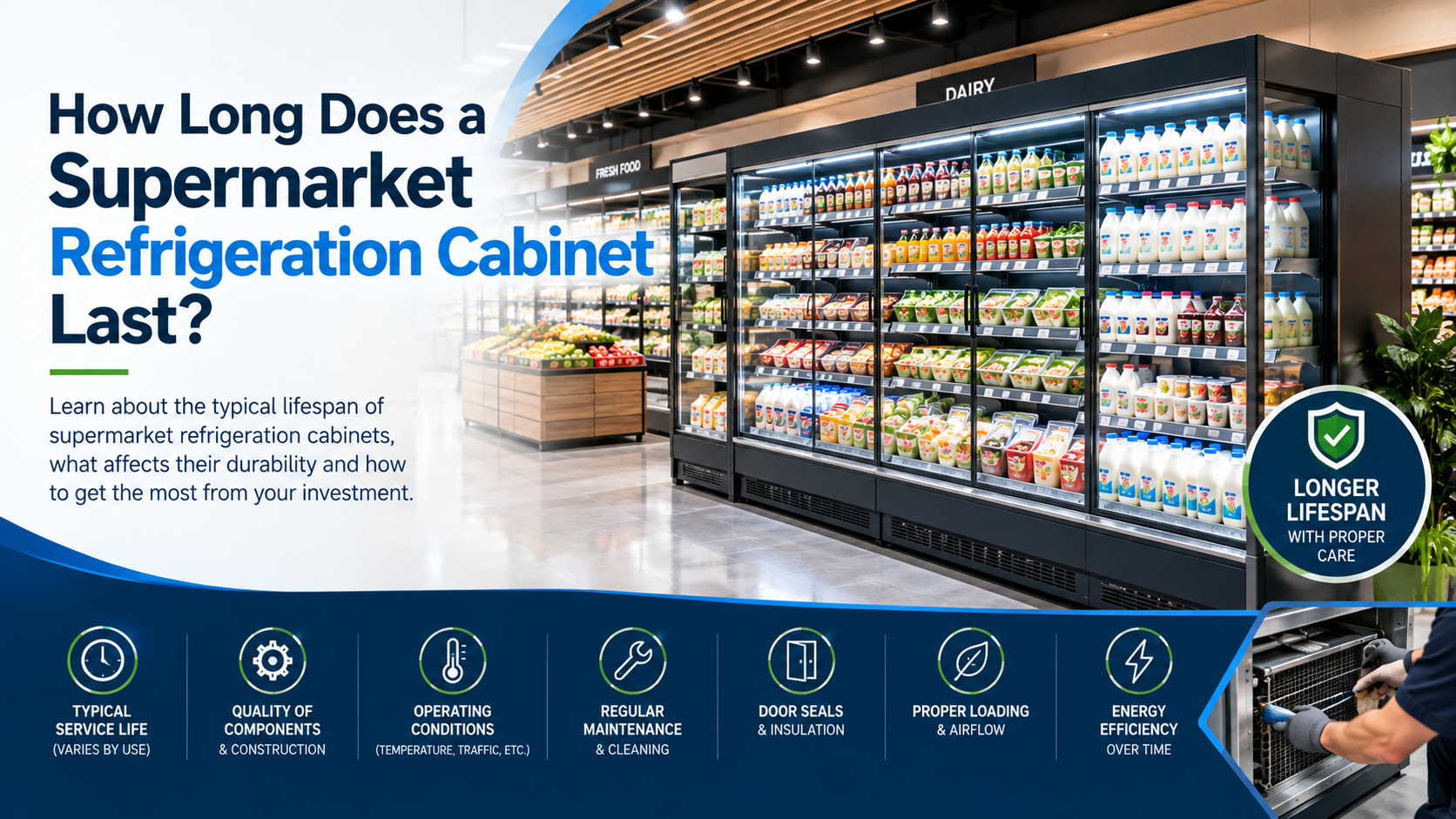
A supermarket refrigeration cabinet is a long-term investment. Whether you are opening a new supermarket, replacing older equipment, or expanding an existing store, one of the questions you may have is: how long does a supermarket refrigeration cabinet last?
There is no single service-life figure that applies to every refrigerated display cabinet. The actual lifespan depends on the cabinet design, refrigeration system, operating conditions, maintenance, cleaning, product loading, and how the equipment is used.
A well-selected and properly maintained commercial refrigeration cabinet can provide reliable service for many years. However, regular maintenance and correct operation are essential if you want to get the most from your investment.
This guide explains the factors that affect the lifespan of supermarket refrigeration cabinets and the signs that may indicate it is time to repair, upgrade, or replace your equipment.
Table of Contents
What Is the Typical Service Life of a Supermarket Refrigeration Cabinet?
The service life of a commercial refrigeration cabinet varies considerably from one installation to another.
A cabinet operating in a demanding supermarket environment may experience much more daily use than equipment in a smaller retail store. Frequent door opening, high customer traffic, warm ambient conditions, poor ventilation, overloading, and inadequate maintenance can all affect long-term performance.
Instead of focusing only on a specific number of years, it is better to evaluate the condition of the entire refrigeration system.
Important factors include:
- Cabinet construction and component quality
- Refrigeration system design
- Compressor and other refrigeration components
- Insulation performance
- Door and glass condition
- Seals and gaskets
- Condenser cleanliness
- Evaporator condition
- Temperature control
- Daily operating hours
- Maintenance history
A cabinet that is properly maintained can remain useful for a long period, while poorly maintained equipment may experience performance problems much earlier.
What Determines the Lifespan of a Refrigerated Display Cabinet?
Several factors influence how long a supermarket refrigeration cabinet can operate effectively.
1. Quality of the Cabinet and Components
The quality of the cabinet itself matters.
Commercial refrigeration equipment is exposed to continuous operation, temperature changes, cleaning, product loading, customer interaction, and other daily demands.
Important components include:
- Refrigeration system
- Evaporator
- Condenser
- Fans
- Thermostatic and control components
- Insulation
- Glass doors
- Door frames
- Gaskets
- Lighting
The quality and suitability of these components can influence reliability and long-term performance.
2. Operating Conditions
The environment in which the cabinet operates also matters.
For example, a cabinet operating in a hot environment with insufficient ventilation may have to work harder to maintain its target temperature.
Other factors include:
- Ambient temperature
- Humidity
- Air circulation
- Cabinet location
- Distance from heat sources
- Customer traffic
- Frequency of door opening
The equipment should be installed according to the manufacturer’s requirements and the conditions of the store.
3. Maintenance
Regular maintenance is one of the most important ways to protect commercial refrigeration equipment.
Dust and dirt can accumulate around refrigeration components, while blocked airflow can reduce cooling performance.
Routine maintenance can include:
- Cleaning condenser areas
- Checking evaporators
- Inspecting fans
- Checking door seals
- Checking temperature performance
- Inspecting electrical connections
- Cleaning the cabinet interior and exterior
- Checking refrigeration components
- Identifying unusual noise or vibration
Maintenance requirements vary by equipment, so always follow the manufacturer’s recommendations.
How Does Cleaning Affect Refrigeration Cabinet Lifespan?
Cleaning is not only about appearance.
A dirty cabinet can affect airflow, hygiene, product presentation, and refrigeration performance.
For example, dust accumulation around components can restrict airflow and make the refrigeration system work harder. Damaged or dirty door seals can also allow warm air to enter the refrigerated space.
Regular cleaning should include both the visible parts of the cabinet and the areas where dirt can accumulate around refrigeration components.
However, cleaning should always be performed according to the manufacturer’s instructions. Electrical and refrigeration components should not be exposed to inappropriate cleaning methods or excessive moisture.
Does Overloading Reduce the Life of a Refrigeration Cabinet?
Improper product loading can affect refrigeration performance.
A refrigerated display cabinet is designed to maintain airflow around the products. If products are stacked beyond the recommended loading area or placed in front of air outlets, the circulation of cold air can be restricted.
This can result in:
- Uneven temperatures
- Longer operating cycles
- Poor product cooling
- Higher energy consumption
- Increased stress on refrigeration components
Products should therefore be loaded according to the cabinet’s design and recommended loading limits.
Good product organization can also improve visibility and make it easier for customers and staff to access products.
How Do Door Seals Affect Cabinet Performance?
Door seals and gaskets play an important role in maintaining the refrigerated environment.
A damaged, loose, or worn gasket can allow warm air to enter the cabinet. The refrigeration system may then need to operate for longer periods to maintain the required temperature.
Regularly inspect seals for:
- Cracks
- Gaps
- Deformation
- Loose sections
- Loss of flexibility
- Visible damage
Replacing a damaged gasket may be a relatively simple maintenance task compared with replacing a complete refrigeration cabinet.
What Are the Signs That a Refrigeration Cabinet Is Getting Old?
Age alone does not necessarily mean that a cabinet needs to be replaced.
However, certain signs can indicate that the equipment requires professional inspection.
Watch for:
- Increasingly unstable temperatures
- Unusual noise or vibration
- Frequent refrigeration problems
- Excessive frost or ice
- Water leakage
- Damaged doors or glass
- Worn seals
- Increasing energy consumption
- Frequent service calls
- Difficulty finding replacement components
- Visible corrosion or structural damage
If several of these problems occur repeatedly, it may be worth comparing the cost of continued repairs with the cost of upgrading the equipment.
Should You Repair or Replace an Old Refrigeration Cabinet?
There is no universal answer.
Repair may make sense when the cabinet is otherwise in good condition and the problem involves a replaceable component.
Replacement may become more attractive when:
- Major components repeatedly fail
- Repair costs are becoming frequent
- The cabinet no longer maintains the required temperature
- Energy consumption has become a concern
- Parts are difficult to obtain
- The cabinet has significant structural damage
- The equipment no longer suits the store’s requirements
The decision should consider both immediate repair costs and long-term operating costs.
For a supermarket, replacing an inefficient cabinet may also provide an opportunity to improve product presentation, energy performance, and store layout.
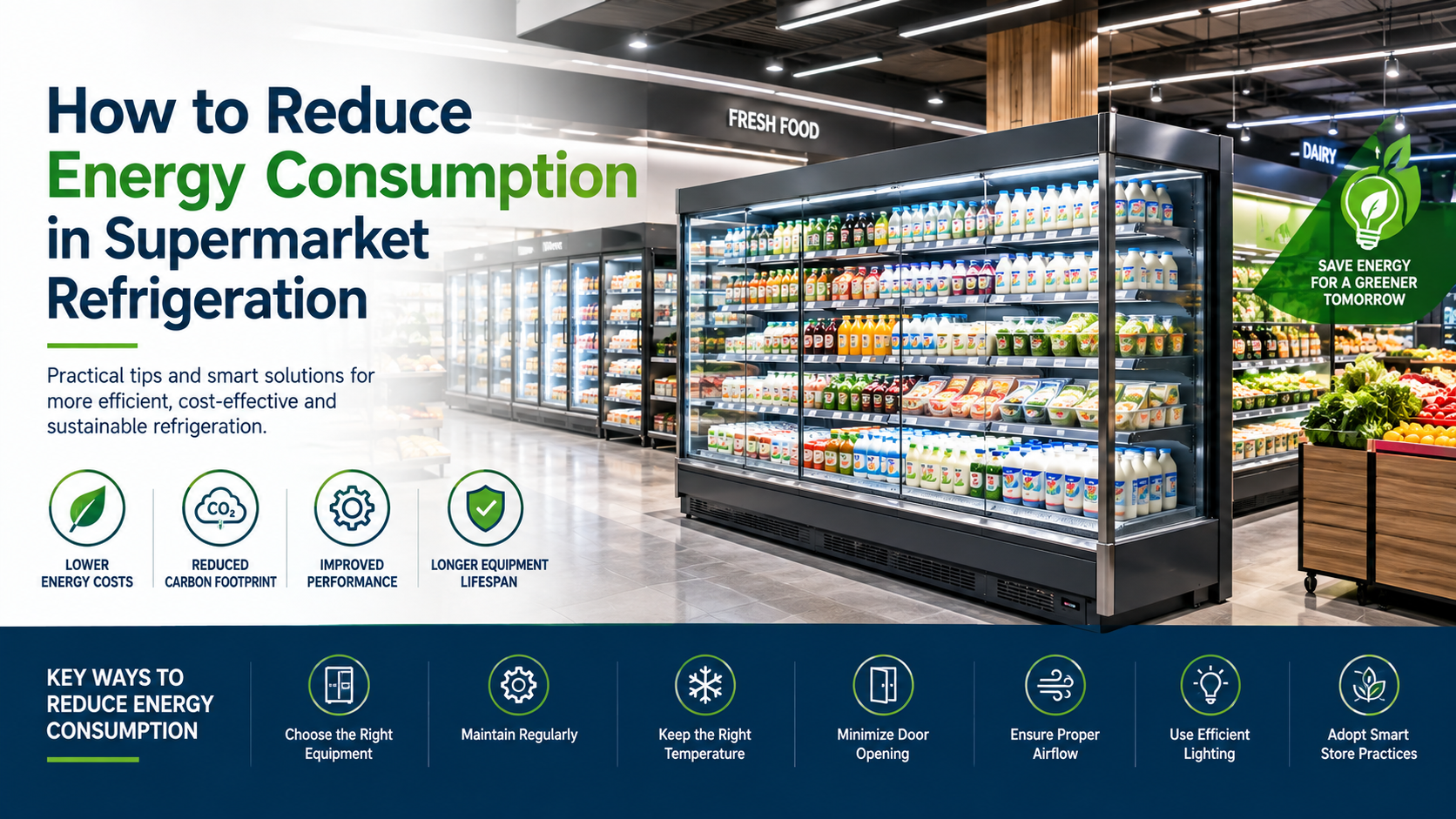
How Can You Extend the Life of a Supermarket Refrigeration Cabinet?
There are several practical steps that can help protect your refrigeration investment.
Keep the Cabinet Clean
Regular cleaning helps maintain hygiene and can prevent dirt from affecting airflow and refrigeration components.
Maintain Proper Product Loading
Do not block air outlets or exceed the recommended loading area.
Check Door Seals
Inspect doors and gaskets regularly and replace damaged seals when necessary.
Keep Airflow Unrestricted
Make sure the cabinet has sufficient airflow and is not positioned in a way that interferes with its refrigeration system.
Monitor Temperature
Regular temperature checks can help identify problems before they become more serious.
Schedule Preventive Maintenance
Professional inspections can identify worn or damaged components before they result in major equipment failure.
Respond to Problems Early
Unusual noise, temperature fluctuations, excessive frost, or water leakage should not be ignored.
Early attention can sometimes prevent a small problem from becoming a major repair.
Does Refrigeration Cabinet Type Affect Service Life?
Different cabinet types have different designs and operating requirements.
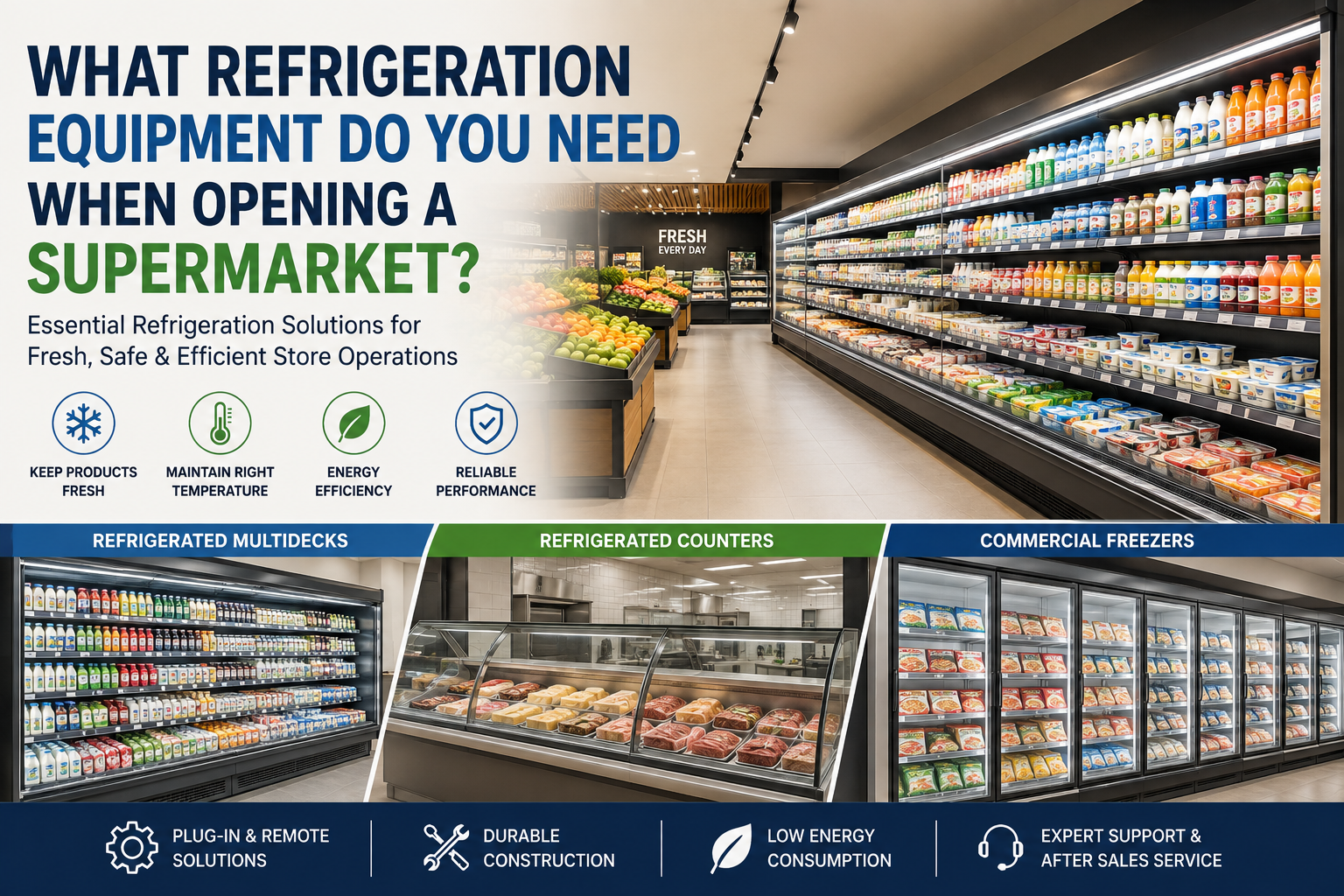
For example, supermarkets may use:
- Refrigerated multidecks
- Refrigerated counters
- Refrigerated freezers
- S.V. multidecks
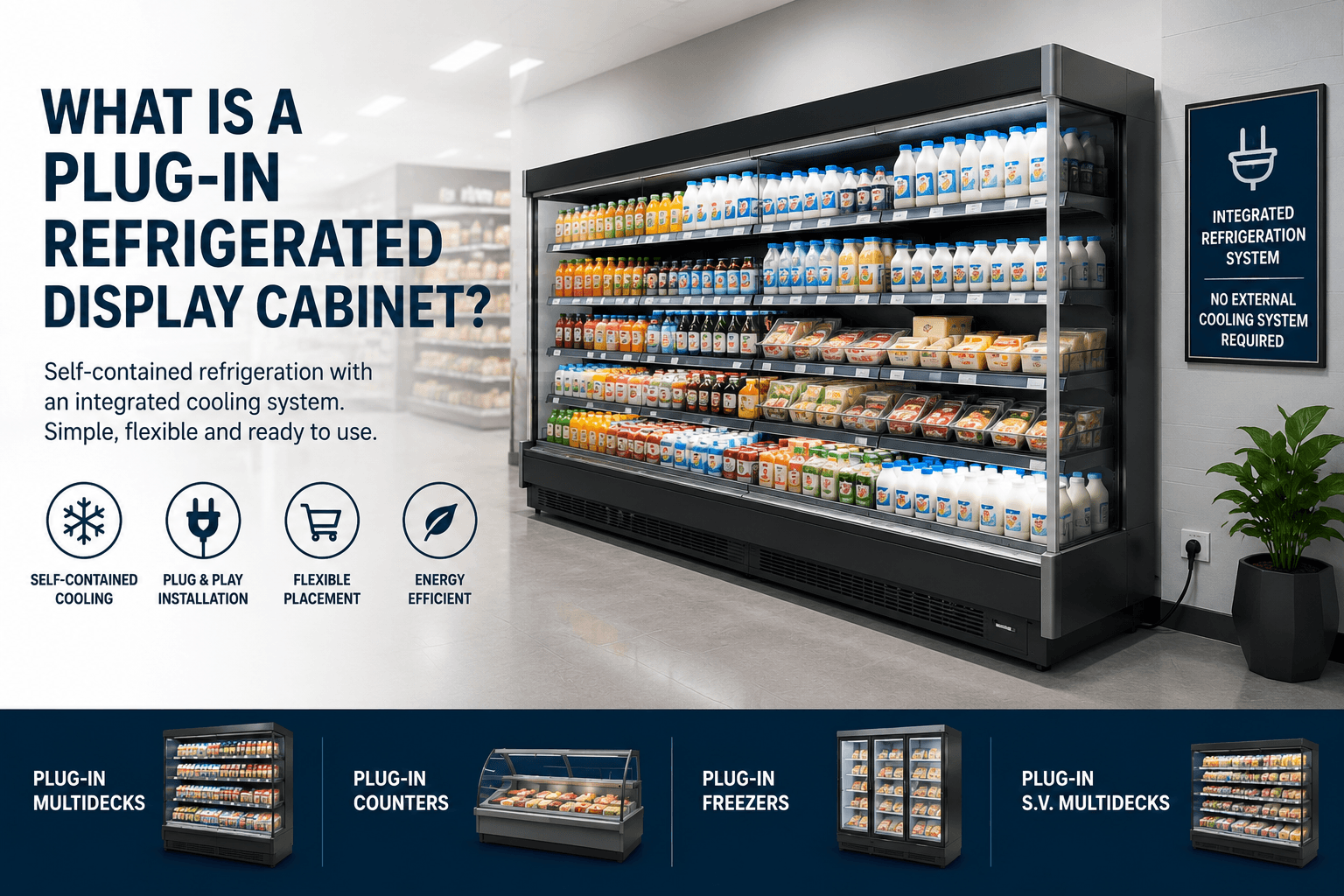
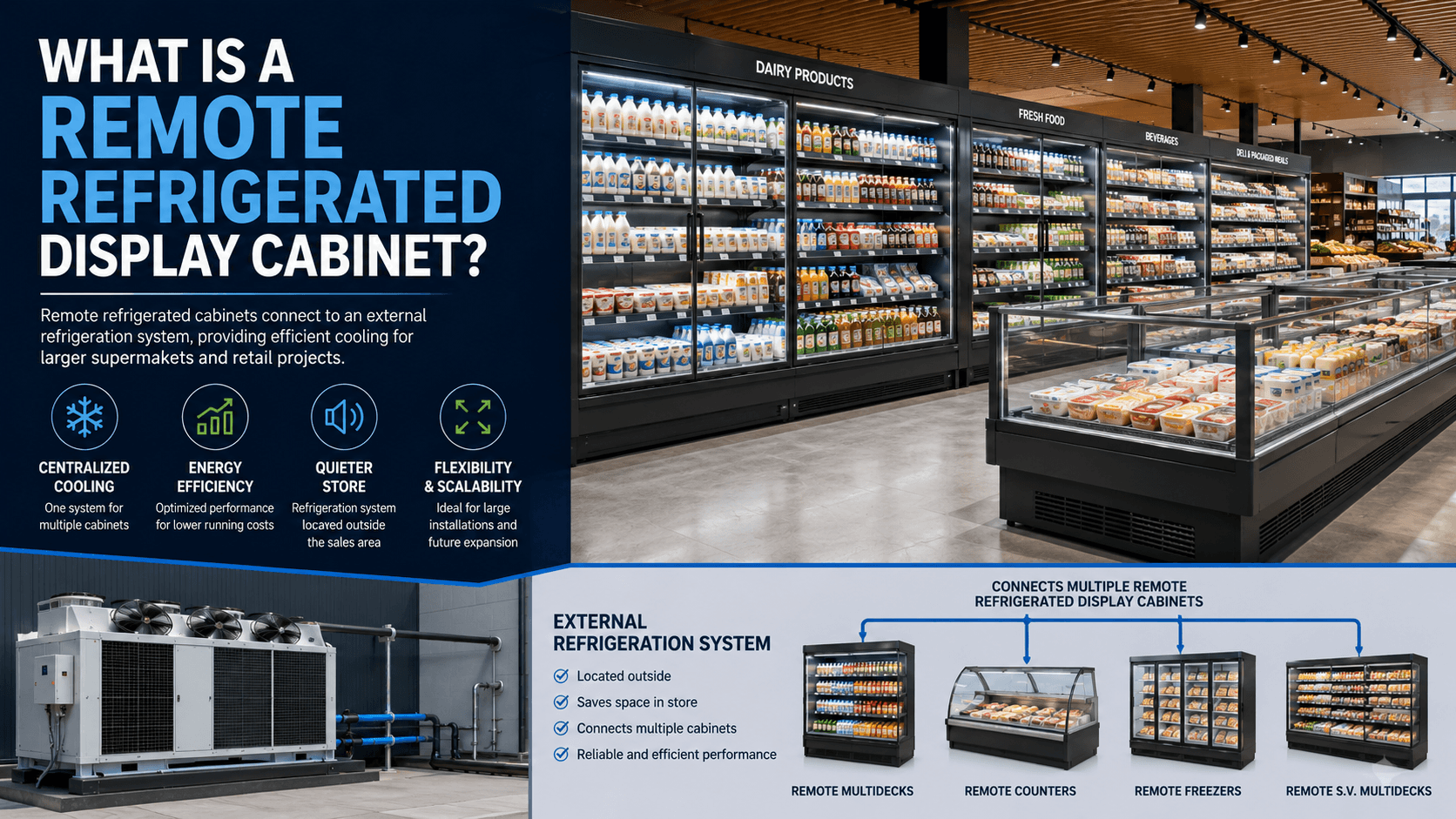
They may also choose between plug-in and remote refrigeration systems.
A plug-in cabinet has an integrated refrigeration system, while a remote cabinet connects to an external refrigeration system. Because the system architecture is different, maintenance requirements and component configurations can also differ.
The appropriate maintenance approach should therefore follow the specific equipment design and manufacturer’s recommendations.
Can Energy Efficiency Change as a Cabinet Gets Older?
Yes, the operating efficiency of refrigeration equipment can change over time.
Wear, damaged seals, dirty components, inefficient operation, or changes in the refrigeration system can affect energy consumption.
For this reason, energy performance should be considered alongside physical condition when evaluating older equipment.
If an older cabinet requires frequent repairs and also consumes significantly more energy than expected, upgrading may be worth considering.
When Should a Supermarket Consider Upgrading Its Refrigeration Equipment?
An upgrade may be appropriate when the existing equipment no longer meets the store’s operational needs.
You may want to consider upgrading when:
- The store layout has changed
- Product categories have expanded
- More display capacity is required
- Refrigeration problems are becoming frequent
- Energy costs are increasing
- The equipment no longer provides suitable product visibility
- Maintenance is becoming difficult
- You are renovating or expanding the supermarket
Upgrading refrigeration equipment can also be an opportunity to reconsider whether plug-in or remote refrigeration is more appropriate for the store’s current requirements.
How to Choose Long-Lasting Supermarket Refrigeration Equipment
When purchasing new equipment, do not focus only on the initial price.
Consider the complete value of the equipment, including:
- Construction quality
- Refrigeration components
- Insulation
- Door and glass systems
- Energy performance
- Product capacity
- Ease of maintenance
- Availability of replacement components
- Technical support
- Suitability for your store
- Expected operating conditions
Choosing equipment that is appropriate for the application can help avoid unnecessary stress on the refrigeration system.
Why Maintenance Matters More Than Age
A supermarket refrigeration cabinet does not automatically become unusable after reaching a particular age.
Two cabinets of the same age can be in very different conditions.
One may have received regular cleaning, preventive maintenance, proper loading, and timely repairs. Another may have operated under demanding conditions with little maintenance.
That is why condition, performance, maintenance history, and operating costs are more useful indicators than age alone.
Final Thoughts
The service life of a supermarket refrigeration cabinet depends on many factors, including equipment quality, operating conditions, maintenance, cleaning, product loading, and refrigeration system performance.
There is no universal lifespan that applies to every commercial refrigeration cabinet.
The best way to protect your investment is to select equipment appropriate for your application, follow the manufacturer’s operating instructions, perform regular maintenance, and respond quickly when performance problems appear.
If an older cabinet is becoming increasingly difficult or expensive to maintain, compare the cost of continued repairs with the potential benefits of upgrading to newer, more efficient refrigeration equipment.
For supermarkets, the goal should not simply be to keep a cabinet operating for as many years as possible. The goal is to maintain reliable refrigeration, suitable product conditions, efficient operation, and a good customer display throughout the equipment’s useful life.